
Create Your Signature BBQ Spice Blend
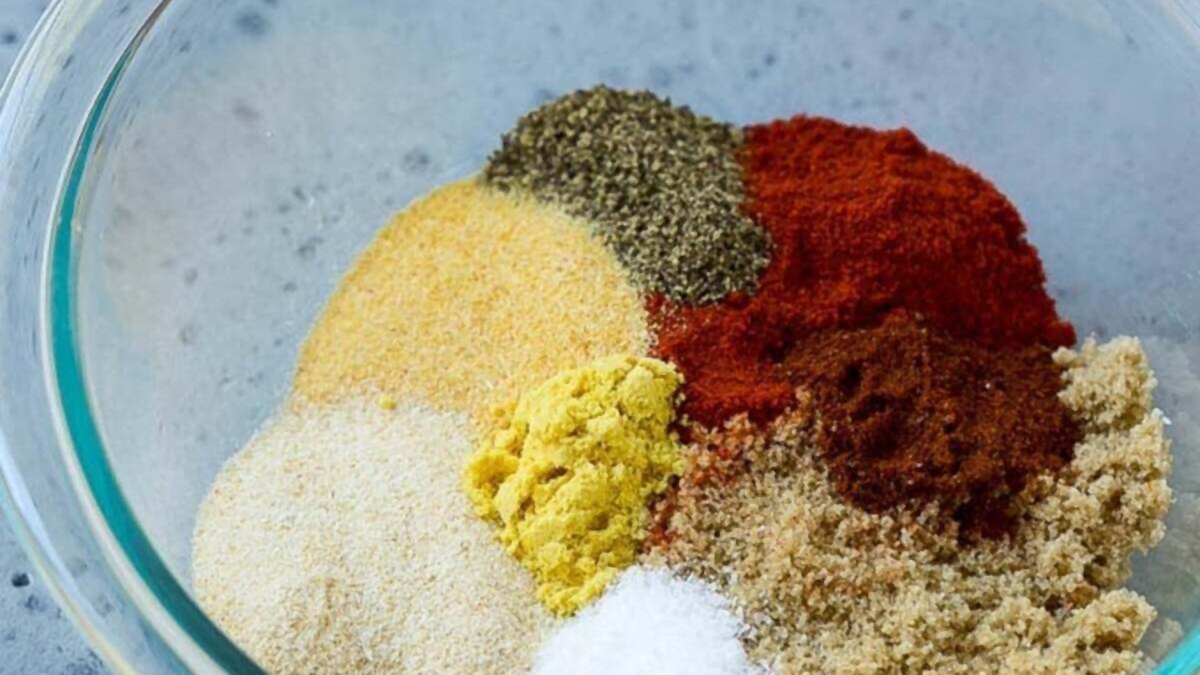
Great barbecue starts with a great rub. Build your own by balancing five profiles — sweet, savory, smoky, spicy, and aromatic — starting with a base of smoked paprika, brown sugar, and garlic powder.

By: Jessica Miller
 4 Minute read
Great barbecue starts with a great rub. Build your own by balancing five profiles — sweet, savory, smoky, spicy, and aromatic — starting with a base of smoked paprika, brown sugar, and garlic powder.
Once you've established your base, it's time to add depth with supporting players. Incorporate earthy elements like cumin and coriander, which not only complement grilled meats beautifully but also aid digestion—a bonus when enjoying hearty barbecue meals.
Add warmth with black pepper, cayenne, or chipotle powder to taste, remembering that capsaicin boosts metabolism and adds complexity without calories. Fresh or dried herbs like oregano, thyme, and rosemary bring brightness and contain powerful antioxidants that can help counteract some of the compounds formed during high-heat grilling.
Consider unconventional additions like coffee grounds for beef, Chinese five-spice for pork, or sumac for poultry to create your signature twist. These unexpected ingredients not only set your blend apart but also provide unique health benefits and flavor profiles that will have guests asking for your secret.
The key to developing your ultimate blend is methodical experimentation and detailed note-taking. Start with small batches, testing on different proteins and vegetables, and document the ratios that work. Toast whole spices before grinding them yourself—this releases essential oils and creates a fresher, more vibrant flavor than pre-ground alternatives.
From a health standpoint, freshly ground spices retain more of their beneficial compounds and volatile oils. Mix your blend at least 24 hours before use to allow the flavors to meld, and store in an airtight container away from light and heat.
Consider making seasonal variations: lighter, herb-forward blends for summer vegetables and fish, and robust, warming combinations for fall and winter grilling. This approach not only keeps your barbecue exciting throughout the year but also takes advantage of seasonal produce and flavor preferences.
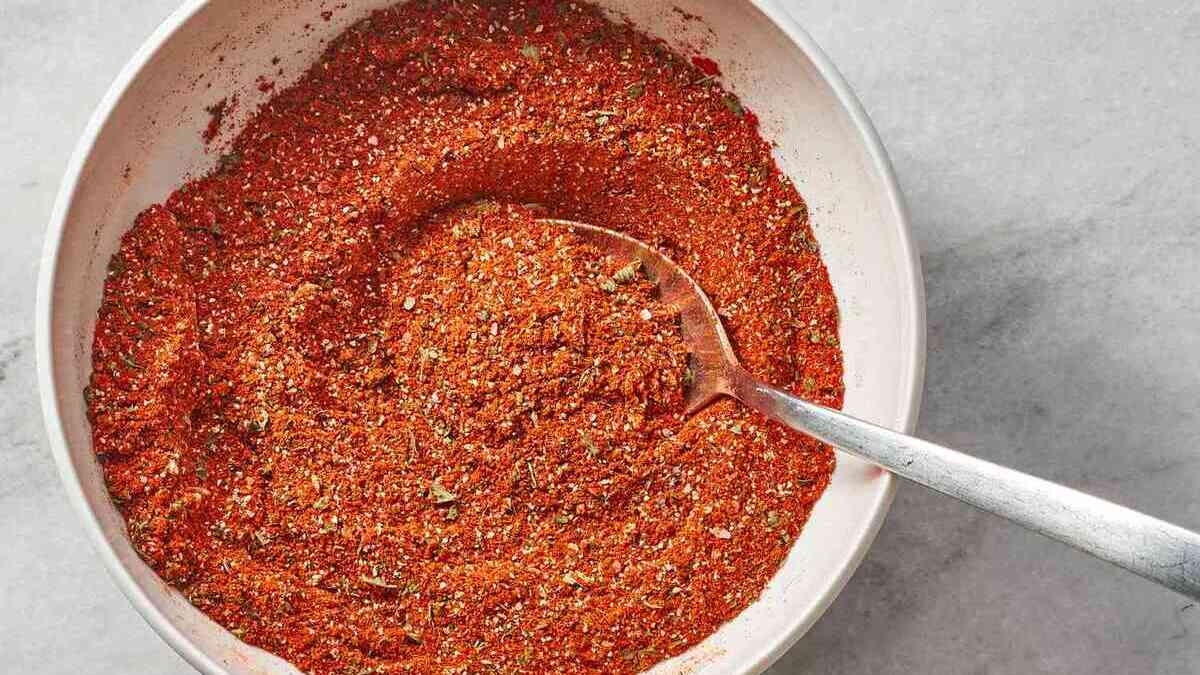
The application method is just as crucial as the blend itself. For optimal flavor penetration and to create that coveted crust, apply your rub 2-4 hours before grilling, allowing the spices to draw out moisture and then reabsorb it along with the flavors. Use approximately one tablespoon per pound of meat, patting rather than rubbing to preserve the spice oils.
For a healthier approach, combine your dry rub with a small amount of olive oil or citrus juice to create a paste that adheres better and adds beneficial fats or vitamin C. During grilling, resist the urge to constantly flip—let the spices caramelize and form that flavorful bark.
Remember that your homemade blend is more than seasoning; it's a vehicle for adding nutrition, reducing harmful compound formation through antioxidant action, and elevating your outdoor cooking to restaurant-quality levels. With practice and experimentation, you'll develop signature blends that become the cornerstone of memorable gatherings and exceptional barbecue experiences.