
Credit Repair Guide
One in five consumers has a material credit report error. The Fair Credit Reporting Act gives you the right to dispute inaccuracies and require bureaus to investigate within 30 days — protecting your score and financial future.


By: Kevin Anderson
 4 Minute read
One in five consumers has a material credit report error. The Fair Credit Reporting Act gives you the right to dispute inaccuracies and require bureaus to investigate within 30 days — protecting your score and financial future.
Obtaining your credit reports from all three major bureaus—Equifax, Experian, and TransUnion—is your first step toward credit repair. Visit AnnualCreditReport.com, the only federally authorized source for free credit reports, to access all three reports without impacting your credit score. Review each report carefully as creditors may report to only one or two bureaus, meaning errors might appear on some reports but not others.
When reviewing reports, check personal information for accuracy including name spelling, addresses, Social Security number, and employment history. Examine account information thoroughly, verifying that account statuses, balances, credit limits, and payment histories are correct. Look for accounts you don't recognize, which could indicate identity theft requiring immediate action.
Critical items to verify:
Document any errors with supporting evidence like bank statements, payment receipts, or correspondence with creditors before beginning the dispute process.
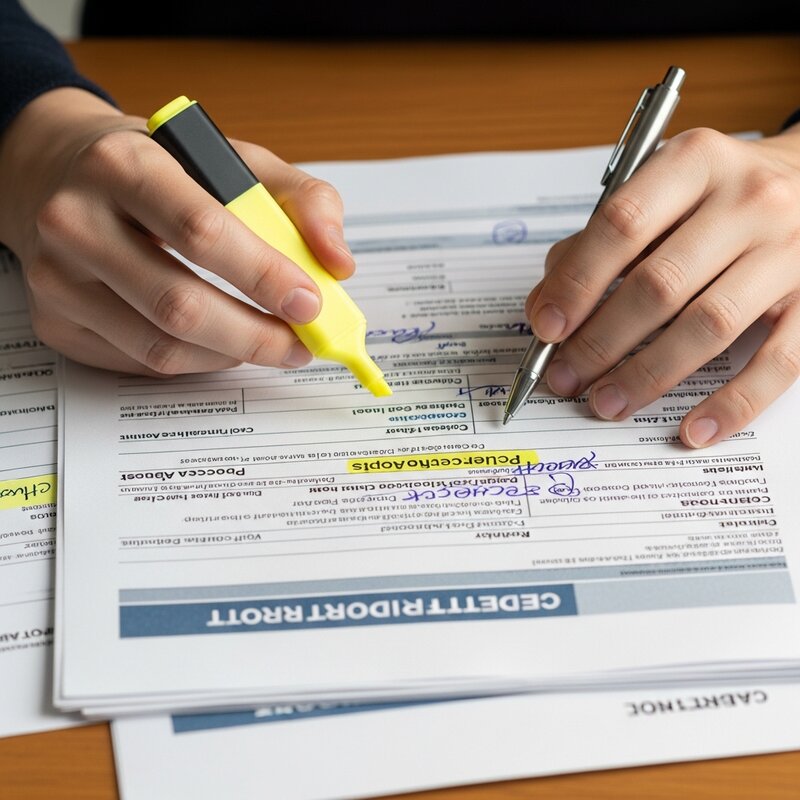
Disputing inaccurate information follows a specific process with legal protections. File disputes directly with credit bureaus online, by phone, or via certified mail including copies of supporting documentation. The bureau must investigate within 30 days, contacting the creditor to verify the information. If the creditor can't verify the disputed item or doesn't respond, the bureau must remove it from your report.
Simultaneously dispute errors with the creditor or information furnisher who reported the incorrect information. Send a detailed letter explaining the error and requesting correction, keeping copies of all correspondence. Under the FCRA, furnishers must investigate disputes and report results to all bureaus where they report your information.
Effective dispute process:
Persistence matters in credit repair. If initial disputes fail, escalate by filing complaints with the Consumer Financial Protection Bureau, which tracks patterns and can compel action from bureaus and creditors.
Setting realistic expectations about credit repair timelines prevents frustration and helps you stay committed to the process. Credit bureaus have 30 days to investigate disputes, plus five days to notify you of results, meaning resolution takes at least 35 days. Complex disputes involving multiple accounts or requiring extensive documentation may take several months to fully resolve.
Even after removing errors, rebuilding credit requires time. Positive payment history, the most important credit factor, develops over months of consistent on-time payments. Negative items like late payments remain on reports for seven years, while bankruptcies stay for up to ten years. However, their impact diminishes over time, especially as you build positive history.
Realistic timeline expectations:
DIY credit repair is legal, free, and often effective for straightforward errors. Professional credit repair companies charge monthly fees but must follow FTC regulations prohibiting advance fees before providing services. Legitimate companies clearly explain what they can and can't do, provide written contracts, and inform you of your right to dispute errors yourself. Avoid companies promising to remove accurate negative information or create new credit identities, as these tactics are illegal.