
Kitchen Remodeling Guide
Kitchen remodeling is one of the most valuable home improvements you can make. Understanding budget ranges, material options, and planning considerations helps you avoid costly mistakes and set realistic expectations.

By: Kevin Anderson
 4 Minute read
Kitchen remodeling is one of the most valuable home improvements you can make. Understanding budget ranges, material options, and planning considerations helps you avoid costly mistakes and set realistic expectations.
Thoughtful planning prevents expensive mistakes and ensures your new kitchen functions beautifully for decades. The kitchen work triangle—the path between sink, stove, and refrigerator—should total 12 to 26 feet for optimal efficiency. Consider how you actually use your kitchen rather than copying trendy designs that don't match your lifestyle. Families who cook frequently need different layouts than those who primarily reheat meals.
Storage needs vary dramatically between households. Assess current storage frustrations and plan solutions addressing specific problems. Consider specialized storage for small appliances, spices, pots and pans, and pantry items. Distinguish between must-have features that directly improve functionality and nice-to-have elements that enhance aesthetics but aren't essential to daily use.
Critical planning considerations:
Create a detailed wish list, then categorize items as essential, desired, or optional, helping you make informed trade-offs when budget constraints require compromises during the project.
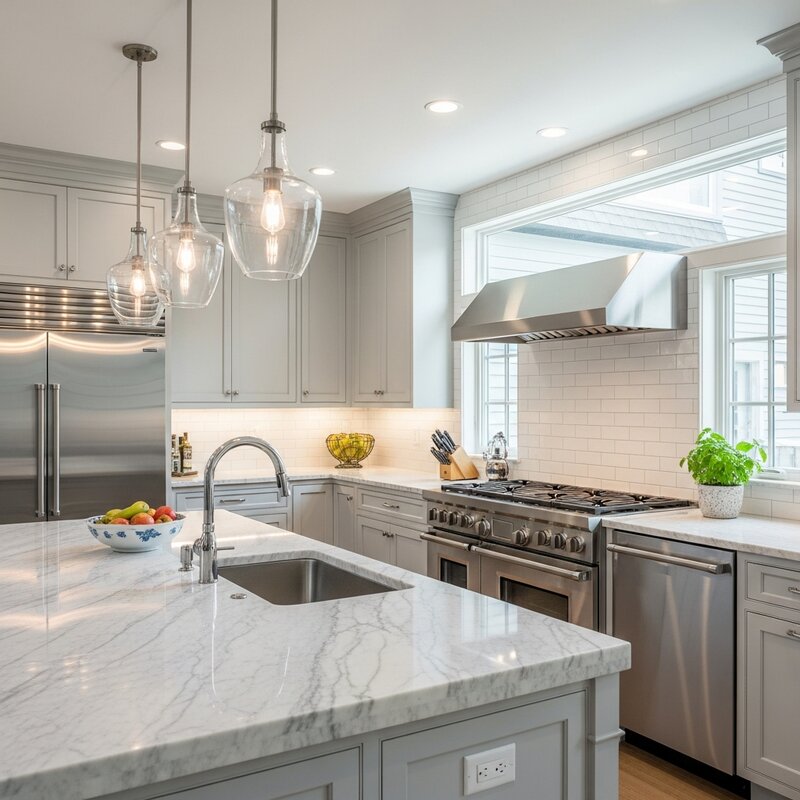
Material selection involves balancing durability, aesthetics, maintenance requirements, and budget. Countertop options range from affordable laminate at $20-$50 per square foot to premium quartzite at $100-$200 per square foot. Quartz offers durability and low maintenance at $60-$100 per square foot, while granite provides natural beauty at $50-$100 per square foot but requires periodic sealing.
Cabinet quality varies from stock ready-to-assemble options to fully custom cabinetry. Stock cabinets cost least but offer limited sizes and styles. Semi-custom provides more options at moderate prices, while custom cabinetry allows unlimited design flexibility at premium costs. Wood species, door styles, and finish quality dramatically affect cabinet appearance and longevity.
Material durability considerations:
Appliance efficiency ratings affect long-term operating costs. Energy Star certified appliances use 10-50% less energy than standard models, potentially saving hundreds annually on utility bills while reducing environmental impact.
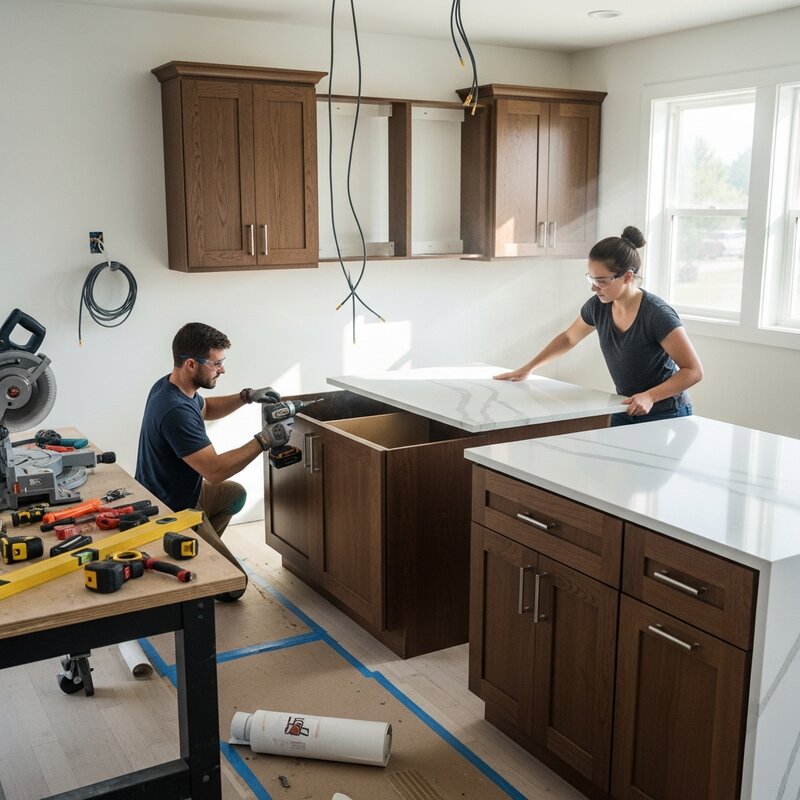
Kitchen remodels typically take 6 to 12 weeks depending on scope and complexity. Cosmetic updates may complete in 2 to 4 weeks, while major renovations involving structural changes can extend to 4 months. Supply chain delays for cabinets and appliances often represent the biggest timeline variable, sometimes adding weeks or months to expected completion dates.
Minimize disruption by setting up a temporary kitchen in another room with a microwave, electric kettle, slow cooker, and mini refrigerator. Stock disposable plates and utensils to reduce dishwashing needs. Plan meals requiring minimal preparation or rely on takeout during the most disruptive phases. Communicate with family members about the temporary inconvenience and establish realistic expectations.
Timeline and disruption management:
Return on investment varies significantly by market and remodel scope. Minor remodels typically recoup 70-80% of costs at resale, while major upscale renovations may return only 50-60%. However, focusing solely on ROI ignores the daily enjoyment value of living with your improved kitchen. Upgrades adding the most resale value include quality cabinetry, stone countertops, energy-efficient appliances, and updated flooring.