
Medical Alert Systems for Seniors
Medical alert systems let seniors living independently call for help instantly during falls or emergencies — typically through a wearable device connected to a 24/7 monitoring service.


By: Kevin Anderson
 2 Minute read
Medical alert systems let seniors living independently call for help instantly during falls or emergencies — typically through a wearable device connected to a 24/7 monitoring service.
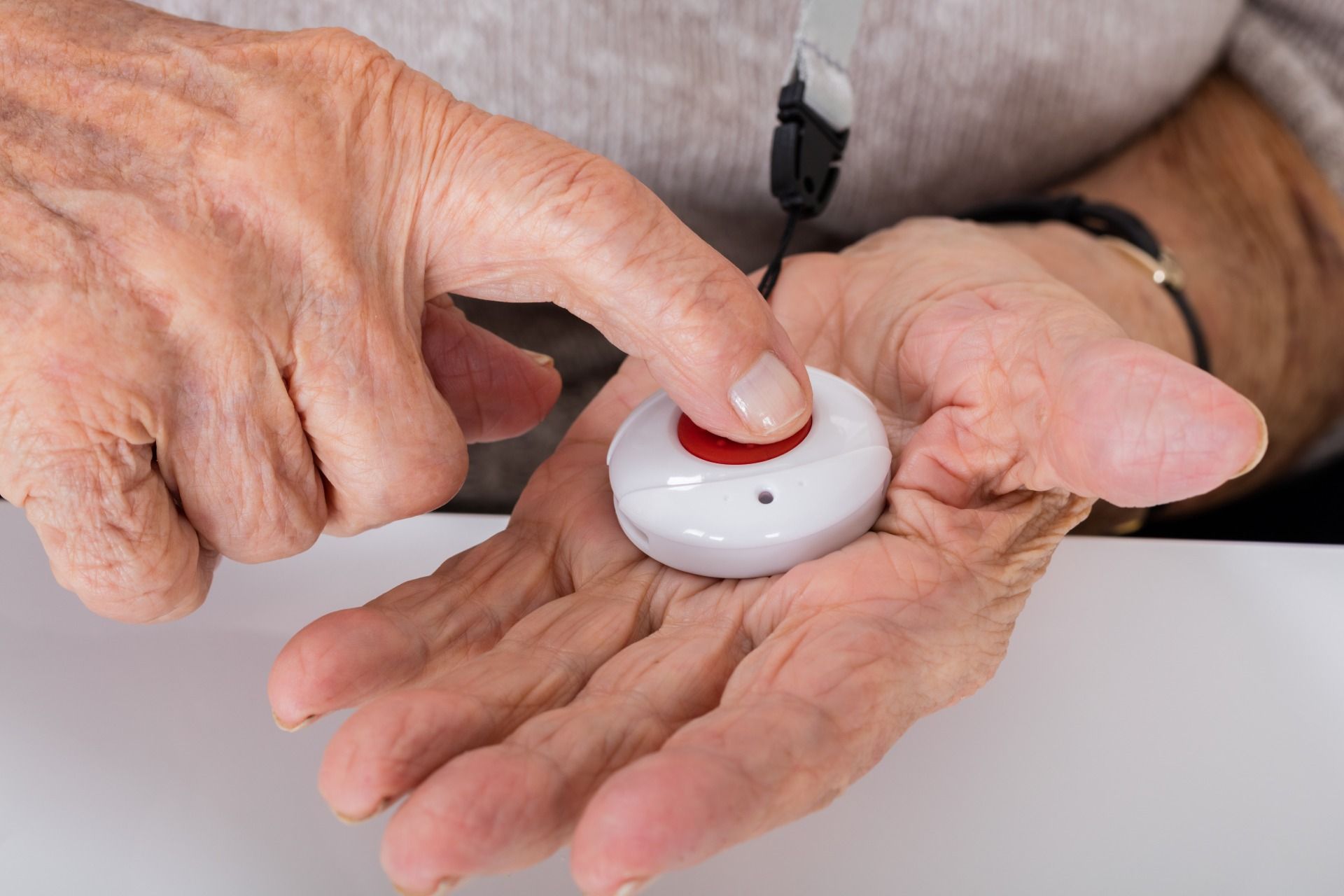
Most medical alert systems consist of a wearable pendant or wristband paired with a base station or mobile unit. When the user presses the emergency button, the system immediately contacts a monitoring center.
Advanced systems include automatic fall detection, GPS tracking, and two-way communication, allowing responders to assess the situation and dispatch emergency services if needed.
The cost of medical alert systems varies depending on features and service plans. On average, monthly fees range from $20 to $50 per month. Systems with GPS tracking and fall detection tend to be more expensive.
Some providers charge additional setup or equipment fees, while others offer no upfront costs. Unlike traditional health insurance, most medical alert systems are paid out-of-pocket, although certain long-term care plans may offer partial coverage.