

Mortgage Refinance Guide 2025: When to Refinance and How to Save Thousands

Mortgage Refinance Guide 2025: When to Refinance and How to Save Thousands
Author kevin_anderson

By: Kevin Anderson

Clock icon3 Minute read
Category: finance

Understanding Mortgage Refinancing: Is It Right for You?

Overview

Mortgage refinancing can be one of the most powerful financial moves you'll make as a homeowner—but only if the timing and circumstances are right. At its core, refinancing means replacing your existing mortgage with a new one, typically with different terms, interest rates, or loan amounts. With rates fluctuating between 6-7.5% in 2025, understanding when and how to refinance can save you tens of thousands of dollars. The decision requires considering closing costs, how long you'll stay in your home, and your financial goals.

Key reasons to refinance:

  • Lower interest rate: A 0.5-1% rate reduction creates significant monthly savings
  • Reduce monthly payments: Free up cash flow for other priorities
  • Shorten loan term: Build equity faster by switching from 30 to 15 years
  • Access home equity: Cash-out refinancing for renovations or debt consolidation
  • Eliminate PMI: Remove costly insurance if you have 20% equity
  • Switch loan types: Convert from ARM to fixed-rate for stability
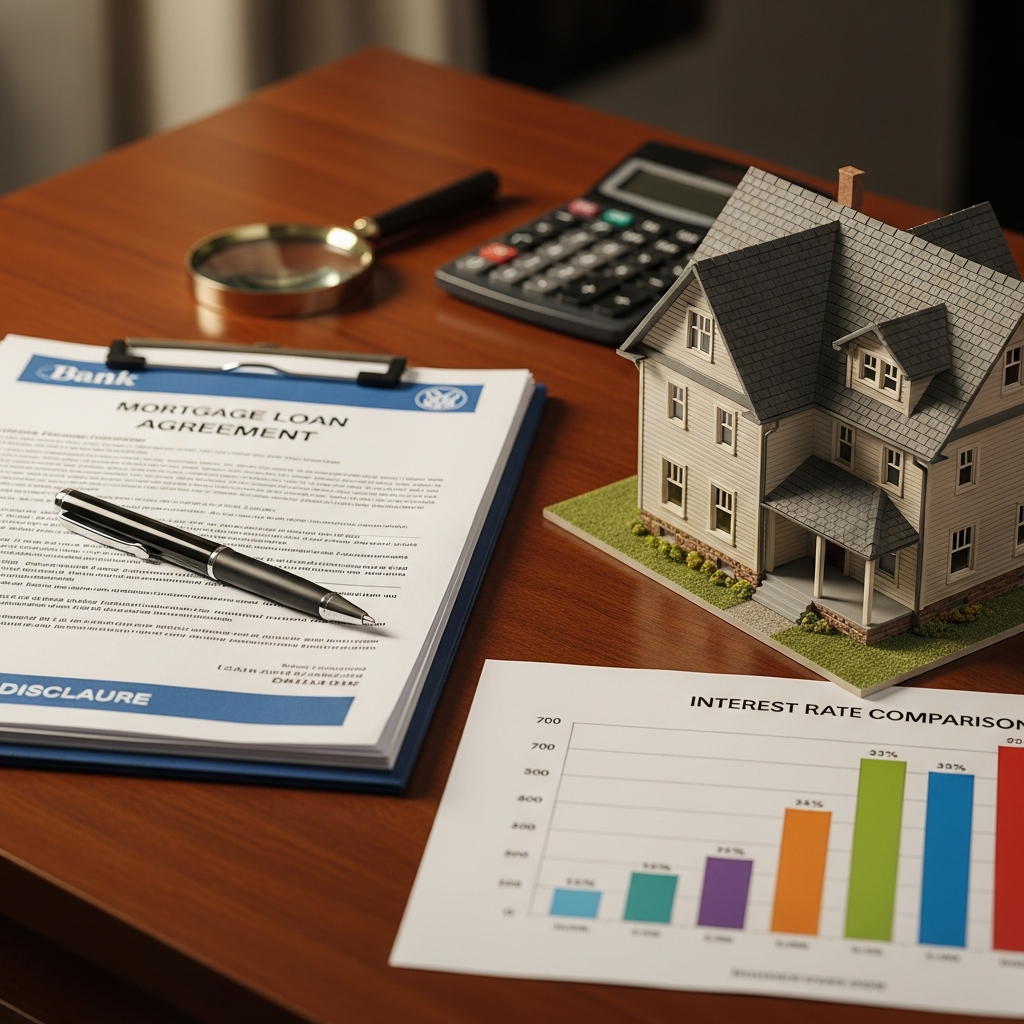
Types of Refinancing:

Understanding different refinancing options helps you choose the right path for your financial goals. Each type serves different purposes and comes with its own considerations.

Rate-and-Term Refinance is the most common type, where you replace your existing mortgage with a new loan that has a different interest rate or term without changing the principal balance. This makes sense when current rates are at least 0.5-1% lower than your existing rate, or when you want to switch from an adjustable-rate to a fixed-rate mortgage for payment stability. You can also shorten your term to build equity faster.

Cash-Out Refinance replaces your mortgage with a larger loan, allowing you to receive the difference in cash. Common uses include home renovations that add value, consolidating high-interest debt, funding college tuition, or making down payments on investment properties. Most lenders require you to maintain at least 20% equity in your home.

Streamline Refinancing programs (FHA, VA, USDA) offer simplified processes with reduced documentation requirements, no appraisals in most cases, minimal income verification, and lower closing costs for homeowners with existing government-backed loans.

Calculating Your Break-Even Point:

The break-even point is the most critical calculation when deciding whether to refinance. It tells you how long you need to stay in your home to recoup the upfront costs through monthly savings. Understanding this number helps you make an informed decision.

The formula is simple: Break-Even Period = Total Closing Costs ÷ Monthly Savings

For example, if closing costs are $5,000 and you save $200 monthly, your break-even is 25 months (about 2 years). If you plan to stay in your home longer than that, refinancing makes financial sense. Closing costs typically range from 2-5% of your loan amount and include origination fees (0.5-1% of loan), appraisal fees ($300-$600), title search and insurance ($700-$1,200), credit reports, recording fees, and prepaid interest based on your closing date.

The larger your rate reduction, the faster you'll reach break-even. A 1% rate reduction on a $300,000 loan saves approximately $216 monthly, while a 0.5% reduction saves about $107 monthly—significantly affecting your break-even timeline and overall savings.

Article image

The Refinancing Process and Key Tips:

Understanding the timeline helps you prepare properly. Traditional refinances typically take 30-45 days from application to closing, while streamline refinances can close in 2-3 weeks.

Start by checking your credit score—760+ gets the best rates, while below 660 may face limited options. Shop around with at least 3-5 lenders, including your current lender, banks, credit unions, and online lenders. Compare Loan Estimates carefully, focusing on APR and total closing costs, not just interest rates.

During processing and underwriting, you'll need documentation including two years of W-2s or tax returns, recent pay stubs, two months of bank statements, and homeowners insurance. Respond to document requests within 24 hours to avoid delays.

Avoid common mistakes:

  • Not shopping around (can cost thousands)
  • Focusing only on rate instead of total costs
  • Making major financial changes during the process
  • Extending your loan term without considering total interest paid
  • Falling for "no-cost" refinances without calculating long-term impact

Continue paying your current mortgage until you receive confirmation it's paid off, and review your first new statement carefully to ensure accuracy.