
Pest Control Guide
Common household pests vary by region and season. Understanding which pests threaten your area helps you implement targeted prevention before infestations become costly problems requiring professional treatment.

By: Kevin Anderson
 4 Minute read
Common household pests vary by region and season. Understanding which pests threaten your area helps you implement targeted prevention before infestations become costly problems requiring professional treatment.
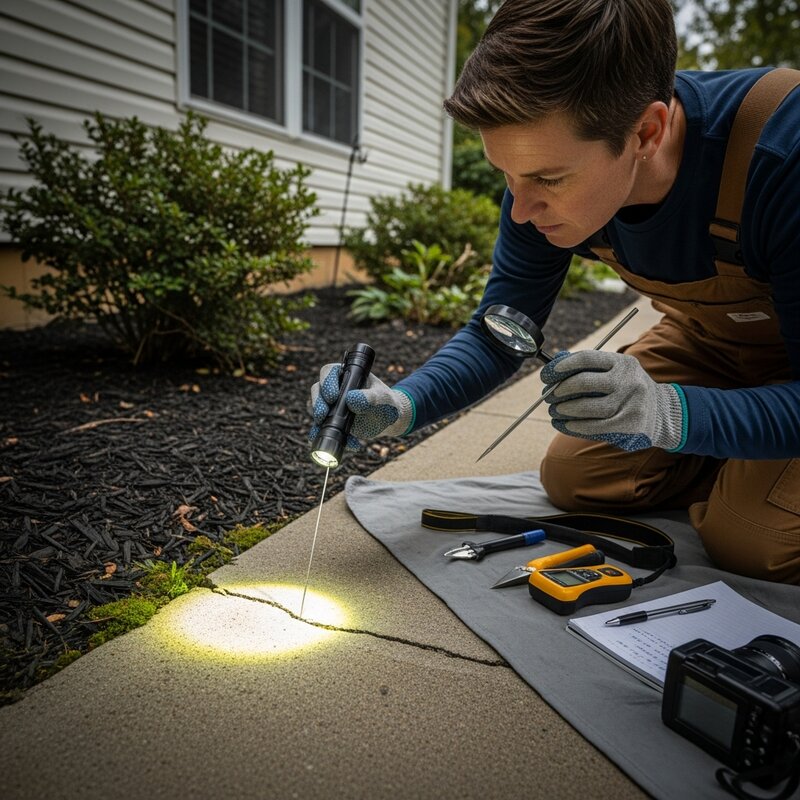
Effective prevention starts with eliminating pest attractants and entry points. Seal cracks and gaps around foundations, windows, doors, and utility penetrations using caulk or weatherstripping. Even tiny gaps allow mice entry—they squeeze through openings as small as a dime. Install door sweeps on exterior doors and repair damaged window screens preventing flying insects from entering.
Remove food sources by storing pantry items in sealed containers, cleaning up crumbs promptly, and taking trash out regularly. Fix leaky pipes and eliminate standing water—moisture attracts numerous pests from cockroaches to mosquitoes. Keep vegetation trimmed away from your home's exterior, as overgrown plants provide pest highways directly to your structure.
Prevention strategies that work:
Good sanitation and maintenance prevent most pest problems without requiring chemical treatments, saving money while reducing pesticide exposure in your living environment.
DIY treatments work well for minor pest problems caught early. Baits effectively control ants and roaches by allowing pests to carry poison back to colonies, killing many individuals from single applications. Traps capture mice without chemicals, though proper placement and checking frequency determine success. Natural deterrents like diatomaceous earth kill crawling insects through dehydration without toxic chemicals.
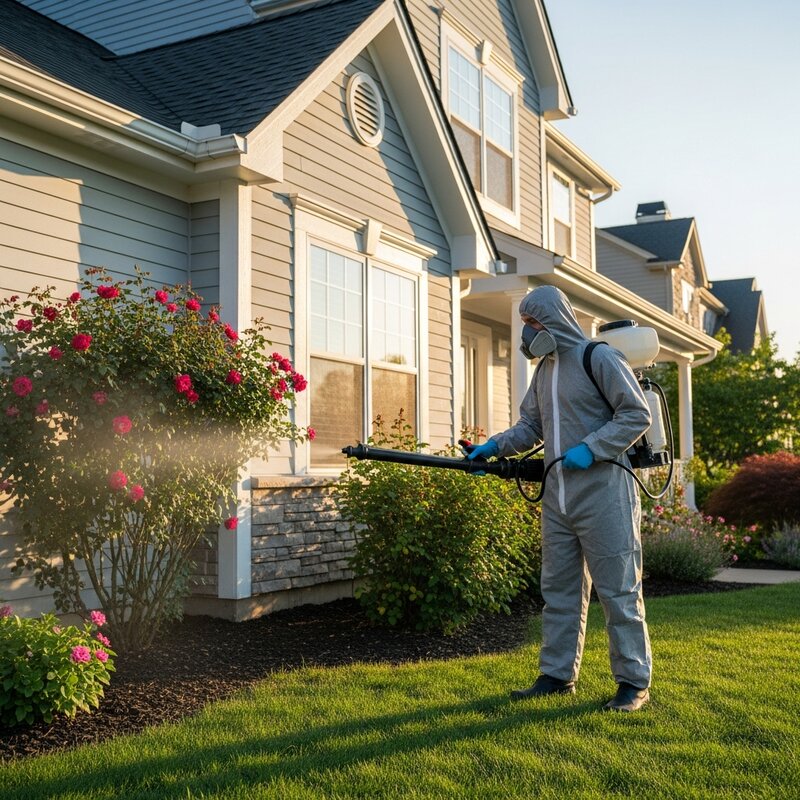
Professional pest control becomes necessary for established infestations, aggressive pests like wasps or bed bugs, or situations requiring specialized equipment and knowledge. Professionals access commercial-grade products unavailable to consumers and understand pest biology enabling more effective treatment strategies. Termite control particularly requires professional expertise due to structural risks and treatment complexity.
DIY versus professional treatment:
Consider infestation severity, pest type, health and safety concerns, and your comfort level with treatments when deciding between DIY approaches and professional services.
Health and safety considerations matter greatly when using pesticides, especially with children and pets present. Read labels completely before applying any products, following all safety precautions and application instructions exactly. Store pesticides in original containers away from food and out of children's reach. Many modern treatments use targeted baits and gels applied in cracks and crevices rather than broad spraying, reducing exposure risk.
Professional treatments should use EPA-registered products applied by licensed technicians following safety protocols. Reputable companies explain what products they'll use, where they'll apply them, and what precautions you should take. Ask about pet and child safety, required evacuation times, and when treated areas become safe to touch.
Safety precautions for treatments:
Evaluating pest control companies requires verifying licensing, insurance, and reputation. Check state pest control board websites confirming current licenses. Review online ratings and Better Business Bureau records. Compare service agreements carefully—understand what's covered, guarantee policies, and cancellation terms. Reputable companies provide written estimates, clearly explain treatment plans, and stand behind their work with satisfaction guarantees addressing recurring problems without additional charges.