
Home Plumbing Guide
Your plumbing system works around the clock delivering clean water and removing waste. Understanding the basics helps you catch small issues before they become expensive emergencies.

By: Kevin Anderson
 4 Minute read
Your plumbing system works around the clock delivering clean water and removing waste. Understanding the basics helps you catch small issues before they become expensive emergencies.
Seasonal maintenance is crucial for preventing plumbing emergencies and extending the life of your system. Winter poses the greatest risk to home plumbing, with freezing temperatures capable of bursting pipes and causing catastrophic water damage costing thousands to repair. Before cold weather arrives, disconnect outdoor hoses, drain sprinkler systems completely, and insulate exposed pipes in unheated areas like basements, crawl spaces, and garage walls.
Spring maintenance should focus on checking for damage from winter freezes and preparing your system for increased usage. Inspect outdoor faucets carefully for leaks, test sump pumps before rainy season begins, and clear gutters to prevent water backup. Summer is ideal for water heater maintenance—flush sediment buildup that reduces efficiency and check the pressure relief valve for proper operation. This season also demands attention to water conservation as household usage typically increases significantly.
Fall preparation checklist:
Knowing when to DIY versus calling a professional protects both your wallet and your home from potential disasters. Simple tasks like replacing faucet aerators, unclogging drains with a plunger, or tightening loose connections are safe for most homeowners with basic tools. However, anything involving gas lines, main sewer lines, major pipe replacement, or work requiring permits requires licensed expertise and proper insurance.
Safe DIY projects include:
Professional plumbers bring specialized tools, extensive training, knowledge of local building codes, and liability insurance that protects you. They can diagnose hidden problems that DIY attempts might miss or inadvertently worsen, leading to expensive repairs later. When water damage risk is high, the issue involves your main water line, or codes require licensed work, investing in professional service prevents costly mistakes.
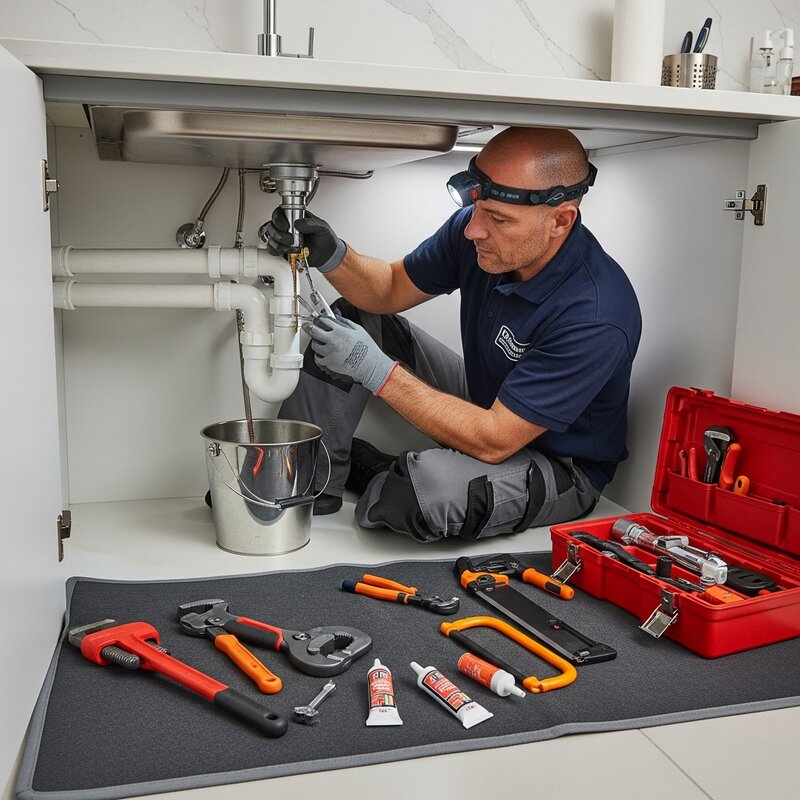
Understanding plumbing service costs helps you budget appropriately and avoid surprises on your final bill. Most plumbers charge $75-$150 per hour for standard repairs during business hours, with service call fees often adding $50-$100 to cover travel time. Emergency calls during nights, weekends, or holidays typically cost 1.5 to 2 times standard rates. The complexity of the problem, parts required, accessibility, and your location all impact final pricing.
Simple repairs like fixing a leaky faucet might cost $150-$250 including labor and parts, while replacing a water heater ranges from $800-$1,500 depending on the unit type. Sewer line repairs are significantly more expensive, potentially costing $1,500-$4,000 or more for excavation and replacement. Always request detailed written estimates before work begins and ask about warranties on both parts and labor to protect your investment.
Cost factors to consider:
Transparency matters when choosing a plumber. Reputable professionals provide clear upfront pricing, explain necessary repairs in understandable terms, and offer multiple options rather than pushing unnecessary services.