
Reverse Mortgage Guide
Reverse mortgages let homeowners 62 and older convert home equity into cash without monthly payments. FHA-insured HECMs are the most common type — but they're not right for everyone.


By: Kevin Anderson
 5 Minute read
Reverse mortgages let homeowners 62 and older convert home equity into cash without monthly payments. FHA-insured HECMs are the most common type — but they're not right for everyone.
Reverse mortgages provide financial flexibility for cash-strapped seniors with substantial home equity but limited income. They eliminate monthly mortgage payments, freeing cash flow for other expenses. The money received is tax-free since it's loan proceeds, not income. You retain home ownership and can never owe more than the home's value when sold, thanks to FHA insurance protecting both borrowers and lenders from losses.
However, significant drawbacks warrant careful consideration. High upfront costs including origination fees, mortgage insurance premiums, and closing costs can total $15,000 to $30,000, reducing available equity. Interest rates, while not requiring monthly payments, compound over time, rapidly depleting equity that might otherwise pass to heirs. Surviving spouses not listed as co-borrowers may face foreclosure if they don't meet eligibility requirements when the borrowing spouse dies.
Advantages to consider:
Disadvantages to weigh:
Several alternatives may better serve your needs with lower costs and fewer restrictions. Home equity loans or lines of credit provide access to equity while maintaining smaller loan balances and preserving more inheritance for heirs. However, they require monthly payments and sufficient income to qualify, making them unsuitable for income-constrained seniors.
Downsizing to a smaller, less expensive home releases equity for living expenses while reducing property taxes, insurance, and maintenance costs. This approach provides cash without accumulating debt, though it requires moving and associated emotional and physical challenges. Selling and renting eliminates homeownership responsibilities entirely while providing substantial cash, though it also eliminates the stability and potential appreciation of homeownership.
Alternatives to explore:
State property tax deferral programs allow seniors to defer property tax payments, with amounts plus interest repaid when selling or from estates. These programs preserve more equity than reverse mortgages while addressing specific financial pressures many seniors face.
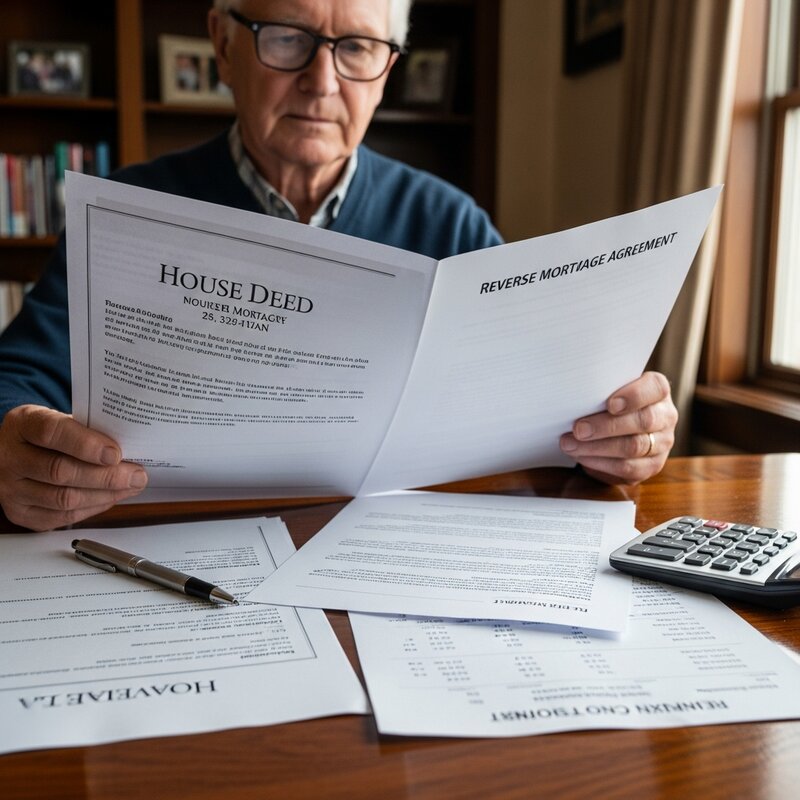
Federal regulations require reverse mortgage applicants complete HUD-approved counseling sessions before proceeding. Counselors explain how reverse mortgages work, discuss alternatives, and help you understand obligations and risks. This requirement protects consumers from rushing into decisions without fully understanding long-term implications. Counseling costs typically range from $0 to $200 depending on the agency.
Ongoing obligations continue throughout the loan. You must maintain the home in good condition, pay property taxes and homeowners insurance, and occupy the property as your primary residence. Failure meeting these requirements constitutes default, potentially triggering foreclosure. You cannot rent out the home or leave it vacant for extended periods without risking loan acceleration.
Required obligations and fees:
Heirs have several options when borrowers die or permanently leave. They can repay the loan balance keeping the home, sell the home repaying the loan with remaining equity going to them, or deed the property to the lender satisfying the debt without further obligation. FHA insurance ensures heirs never owe more than the home's appraised value, even if the loan balance exceeds it due to accumulated interest and fees.