
Best Smart Rings Compared
The smart ring market is growing fast. This comparative guide highlights key players and their strengths in health and wellness tracking — helping you find the right fit.

By: Jessica Miller
 4 Minute read
The smart ring market is growing fast. This comparative guide highlights key players and their strengths in health and wellness tracking — helping you find the right fit.
Key Contenders & Their Strengths:
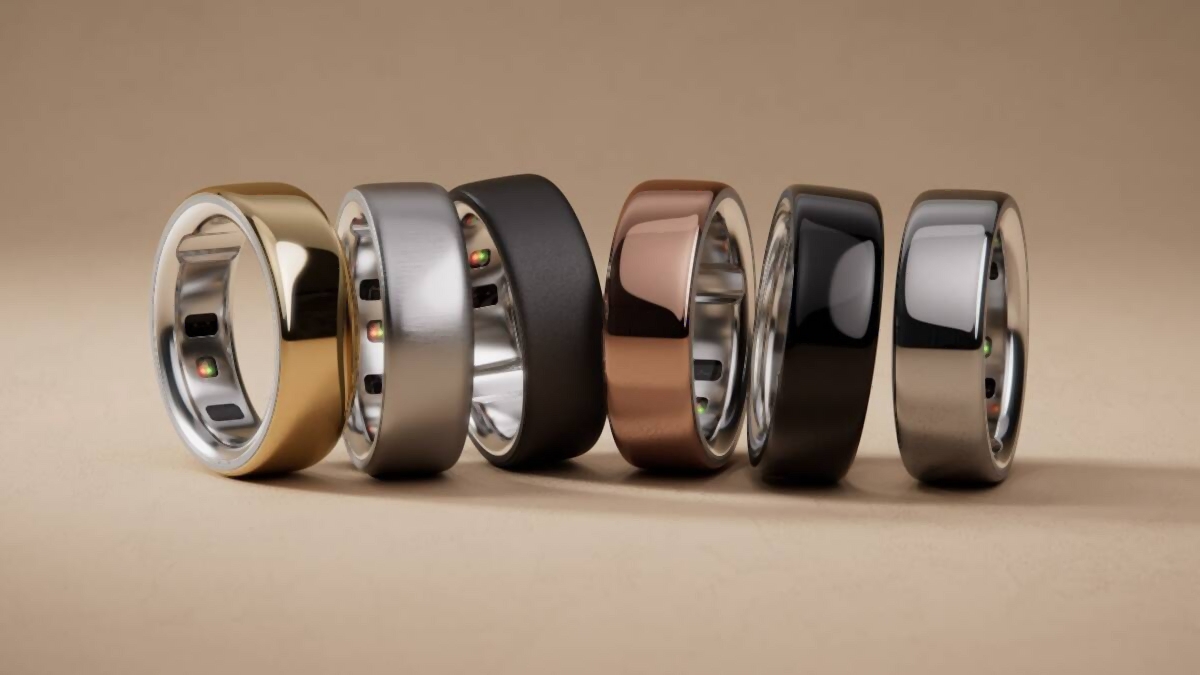
Oura Ring Generation 3: Consistently positioned as the leader, the Oura Ring focuses heavily on sleep tracking and recovery. The review praises its accuracy in sleep stage detection, heart rate variability (HRV) analysis, and temperature sensing (useful for illness detection and cycle tracking). It’s known for its comfortable design and long battery life (around 7 days). However, it requires a subscription for full access to insights, which is a recurring cost. The Gen3 also offers guided meditation and sleep content.
Circular Ring Slim: A strong competitor aiming to challenge Oura. The Circular Ring Slim boasts a slimmer profile and a wider range of metrics, including blood oxygen saturation (SpO2) and heart rate variability. It offers a more detailed daily readiness score and doesn't require a subscription for core features. The review notes its potential for more comprehensive health tracking, but acknowledges it's a newer product and may not have the same level of refinement as the Oura.
Ultrahuman Ring Air: This ring focuses on performance and recovery, geared towards athletes and fitness enthusiasts. It emphasizes HRV and sleep data to optimize training and prevent overtraining. The review highlights its focus on actionable insights and its integration with the Ultrahuman app. Like Oura, it relies on a subscription model for full access to features.
Evie Ring: Specifically designed for women's health, the Evie Ring focuses on cycle tracking, temperature sensing for ovulation prediction, and overall wellness. The review emphasizes its user-friendly app and its focus on providing personalized insights for women. It's positioned as a more affordable option compared to Oura and Circular.
Key Features & Specifications Compared:
| Feature | Oura Ring Gen3 | Circular Ring Slim | Ultrahuman Ring Air | Evie Ring |
|---|---|---|---|---|
| Sleep Tracking | Excellent | Very Good | Good | Good |
| HRV Tracking | Excellent | Excellent | Excellent | Good |
| Activity Tracking | Good | Good | Good | Basic |
| Temperature Sensing | Yes | Yes | Yes | Yes |
| SpO2 Tracking | No | Yes | No | No |
| Subscription | Yes | No | Yes | No |
| Battery Life | ~7 days | ~6 days | ~6 days | ~5 days |
| Design | Titanium | Titanium | Titanium | Titanium |
| Women's Health Focus | Limited | Limited | Limited | High |
Pros & Cons (General):
Pros:
Cons:
Conclusion:
The Verge’s review positions smart rings as a promising alternative to traditional fitness trackers and smartwatches, particularly for those prioritizing sleep tracking, recovery, and continuous health monitoring. The best ring for an individual depends on their specific needs and priorities. Oura remains the established leader, but Circular and Ultrahuman are strong contenders offering compelling features and subscription-free options. Evie Ring caters specifically to women's health needs. Potential buyers should carefully consider the features, subscription costs, and overall ecosystem of each ring before making a purchase.